(Who we build for)

Non-profits & events

The date does not move

Community foundations, country fairs and speaking events. Every one of them is run by volunteers with day jobs, on a deadline that was fixed months ago. A business can push a launch. A fair cannot move the weekend.

(The runway)

The same five weeks, every year.

A business has a pipeline. You have a date. This is what the run-up actually looks like, and where a system takes the weight off the people doing it after work.

  1. Twelve weeks out

    Nobody knows it is happening yet

    The date is set and the committee knows. Almost nobody else does. This is the window where a site earns its keep, and it is the window most organisations spend arguing about a poster.

  2. Eight weeks out

    Sponsors and speakers need asking

    The same email, personalised, twenty times over, from someone who already has a job. An agent drafts them off last year's list and tracks who has not replied.

  3. Four weeks out

    Volunteers, vendors and the schedule

    Sign-ups arrive by text, Facebook comment and word of mouth, then live in one person's inbox. Forms put them in one place that the whole committee can see.

  4. The week of

    Everyone asks the same six questions

    Parking, times, tickets, weather, accessibility, what to bring. Answered once on the site and by the agent, instead of forty times on a phone.

  5. The day after

    It all leaves with whoever ran it

    This is the real failure. Next year's committee starts from nothing. The system keeps the list, the suppliers and the schedule, so the handover is an account login rather than an archaeology project.

(The roster)

Organisations we already do this for.

Point at any name to open their live site.

Speaking and live events

A room to fill and a date that does not move. The site has to sell tickets and recruit speakers at the same time.

Community organisations

Volunteer-run, deadline-driven, and usually held together by one person doing it after work.

(Brand work)

We build the identity too.

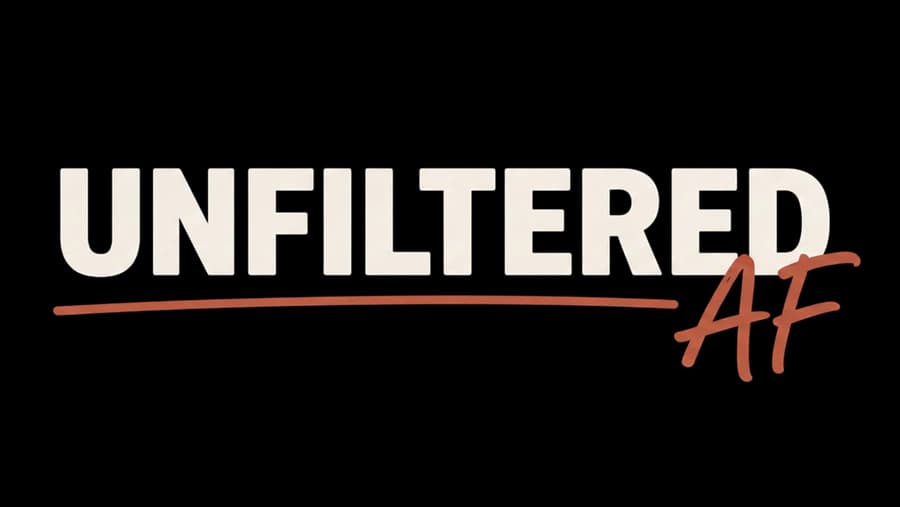
An event or a foundation lives or dies on whether people recognise it next year. This is the whole identity we built for a speaking series, mark, palette and voice.

Real talk. Real growth. Real connection.

Unfiltered AF

Brand identity · 21 days

Deep Teal#2E4958Rust#B4472FBrass#B79B6BSand#E0D5C2Bone#F5F1E8
  • Five logo concepts, then the one they picked, refined
  • Three colour directions to choose from, one locked
  • Type rules so every post matches
See the full brand guide →

(Straight about it)

Four things we say up front.

The budget is genuinely different

A foundation is not a med spa and we do not price it like one. Tell us what the organisation can actually carry and we will tell you honestly whether we can do it.

The site has to outlive the committee

Volunteer boards turn over. Everything is built under the organisation's own accounts and domain, never a personal one, so nothing walks out the door when somebody steps down.

One event, two audiences

An event site sells to attendees and recruits from sponsors, speakers and volunteers at the same time. Those are different pages with different jobs, and collapsing them into one is the usual mistake.

It has to work on a phone in a field

Half your traffic is someone standing at the gate on bad rural signal. That is a build constraint, not a nice-to-have.

(What it costs)

The website is complimentary here the same as everywhere else, and for a volunteer organisation that is usually the whole conversation. You see the real thing built for your event before anybody talks about money.

Tell us the date

Twenty minutes, and we will tell you what can realistically be ready before it. You keep the website either way, and it stays in the organisation's name.

Non-profits, organizations and events · POM AI